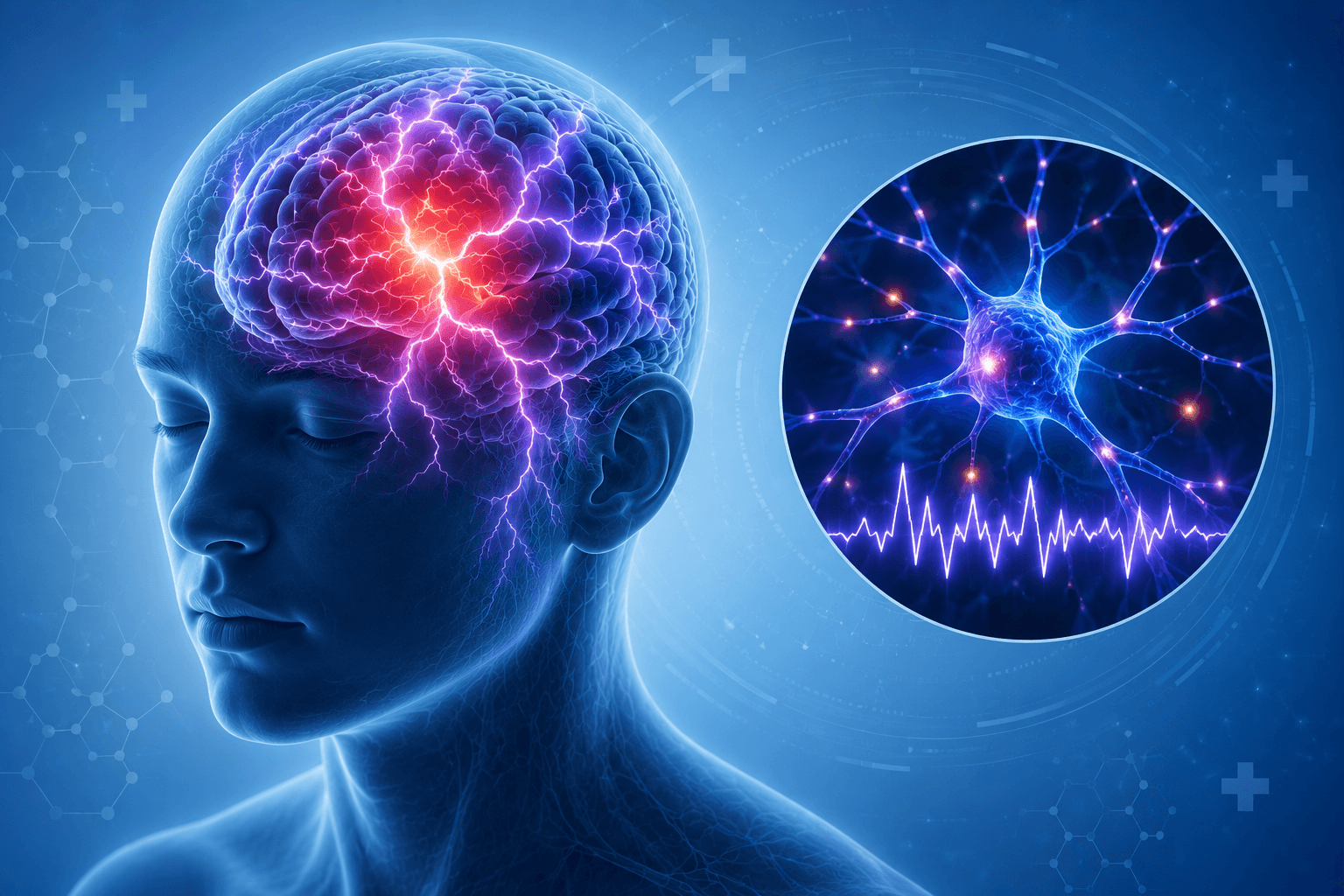
Epilepsy means a tendency to have recurrent unprovoked seizures. With structured care, many people maintain active lives. Plans are personal and must be set with a clinician.
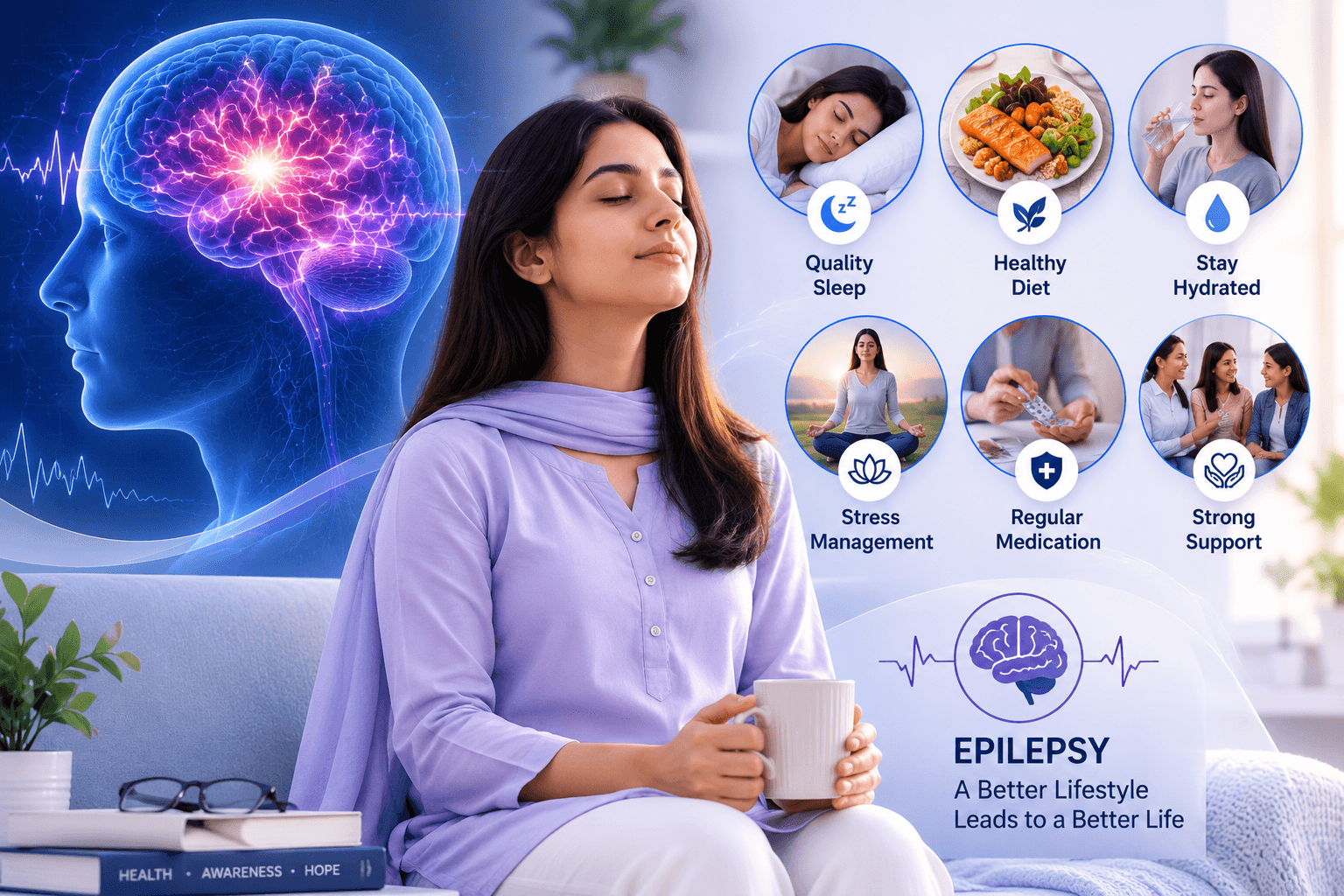
Daily routine themes
Keep regular sleep when possible
Take prescribed medicines exactly as advised—never stop suddenly without medical guidance
Use a seizure diary for follow-up visits
Share a simple first-aid plan with household members
Discuss driving, swimming, and workplace safety with your neurologist
Does one seizure mean epilepsy?
Not always. Clinicians decide after history and appropriate tests.
Can stress trigger seizures?
For some people, stress and sleep loss contribute. Triggers are individual.
Is epilepsy always lifelong?
Courses vary. Some people achieve long seizure-free periods; others need ongoing care. Outcomes cannot be promised online.
Related Conditions
Related Diagnostic Tests
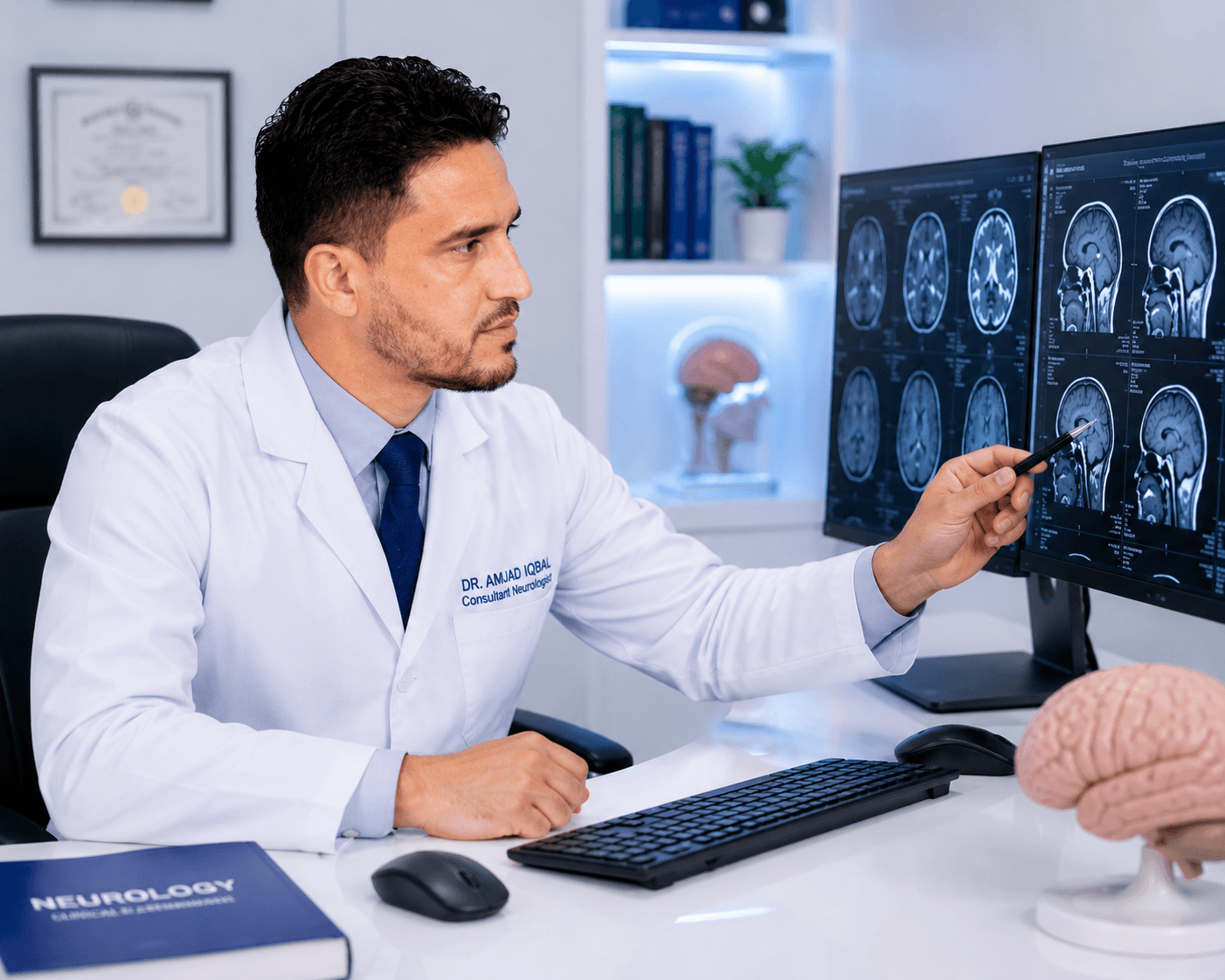
Author and medical reviewer
Dr. Amjad Iqbal
Consultant Neurologist
Dr. Amjad Iqbal provides evidence-based assessment and treatment for conditions affecting the brain, spinal cord, nerves, and muscles, with a focus on clear guidance and compassionate follow-up.
Qualifications
MBBS • FCPS Medicine • FCPS Neurology • MRCP (UK)
Areas of expertise: Headache and migraine, Stroke, Epilepsy, Memory disorders, Movement disorders, Neuromuscular conditions.