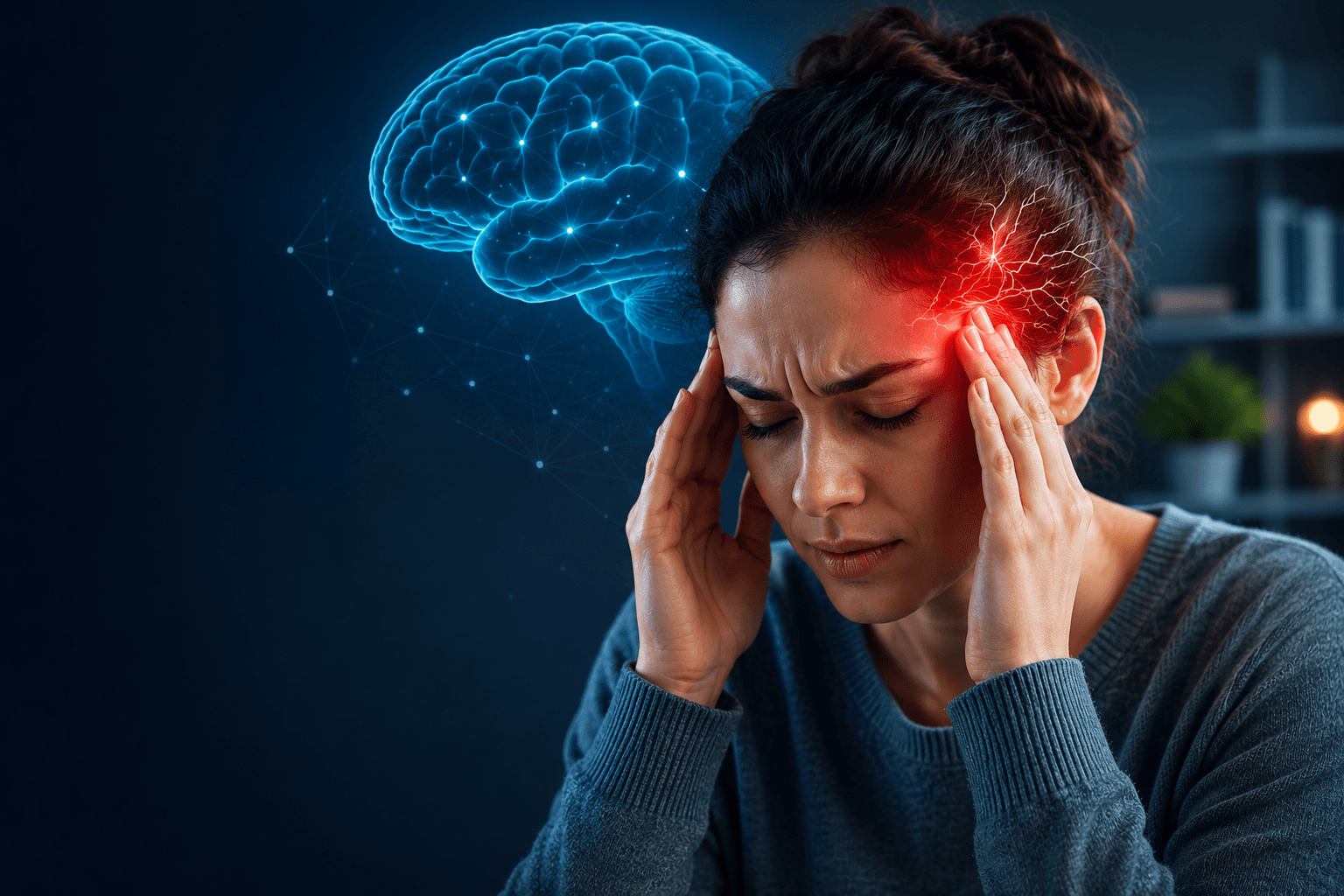
Children and adolescents can have migraine. Attacks may look different from adult patterns—sometimes shorter, or with prominent tummy symptoms in younger children.
What families often notice
Recurrent headaches that interrupt play, school, or sleep
Pale appearance, nausea, or need to lie down
Sensitivity to light or noise during attacks
A family history of migraine in some cases
Supporting school and daily life
A simple note for teachers about rest needs during attacks can help. Hydration, regular meals, and sleep routines are useful foundations for many children—without promising cure.
Can children outgrow migraine?
Patterns can change with age. Some improve; others continue. Follow-up guides expectations for each child.
Is every childhood headache migraine?
No. Many causes exist. Assessment clarifies the likely pattern.
When should we see a neurologist?
When headaches are frequent, disabling, atypical, or worrying to the family or paediatric team.
Related Conditions
Related Videos
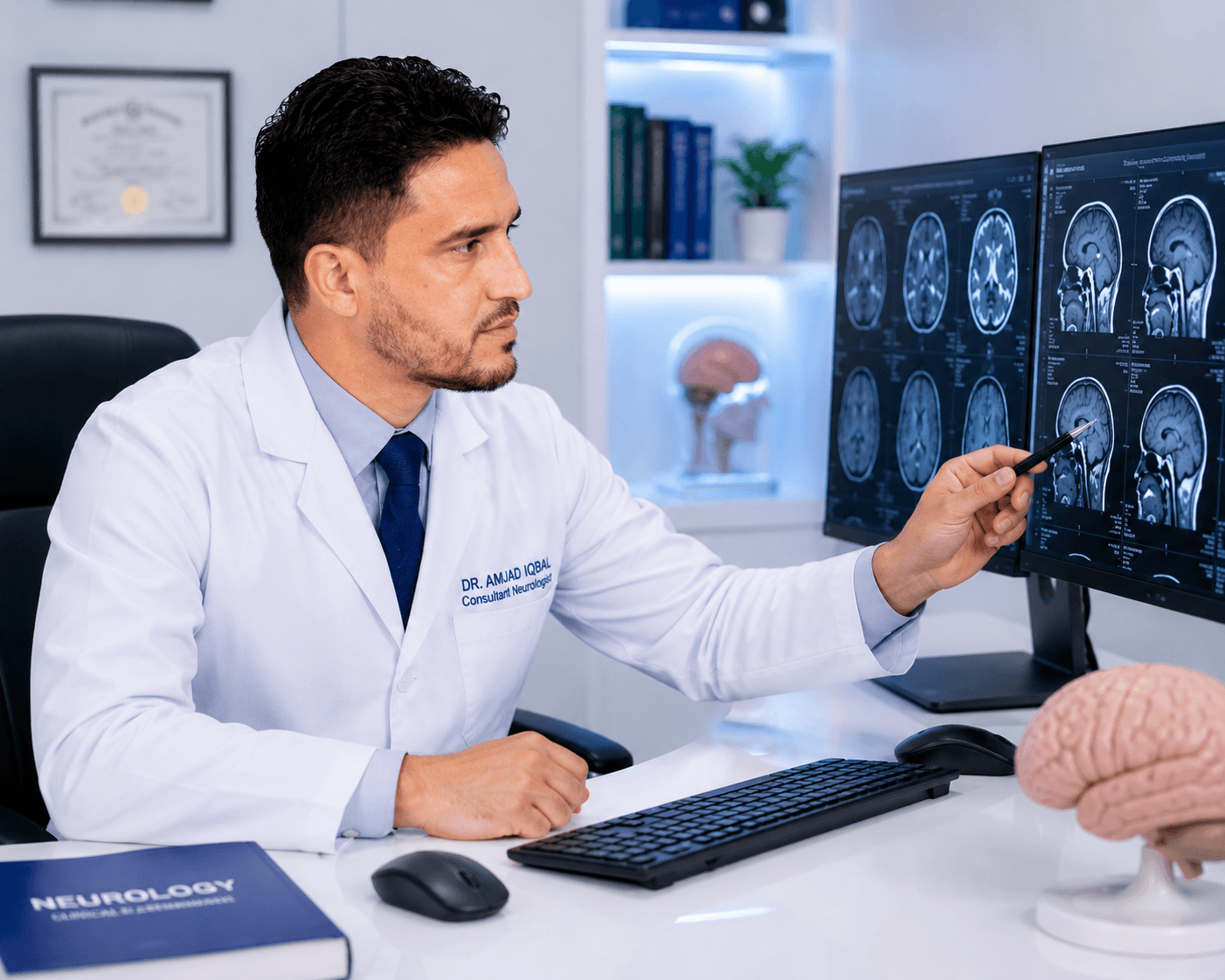
Author and medical reviewer
Dr. Amjad Iqbal
Consultant Neurologist
Dr. Amjad Iqbal provides evidence-based assessment and treatment for conditions affecting the brain, spinal cord, nerves, and muscles, with a focus on clear guidance and compassionate follow-up.
Qualifications
MBBS • FCPS Medicine • FCPS Neurology • MRCP (UK)
Areas of expertise: Headache and migraine, Stroke, Epilepsy, Memory disorders, Movement disorders, Neuromuscular conditions.