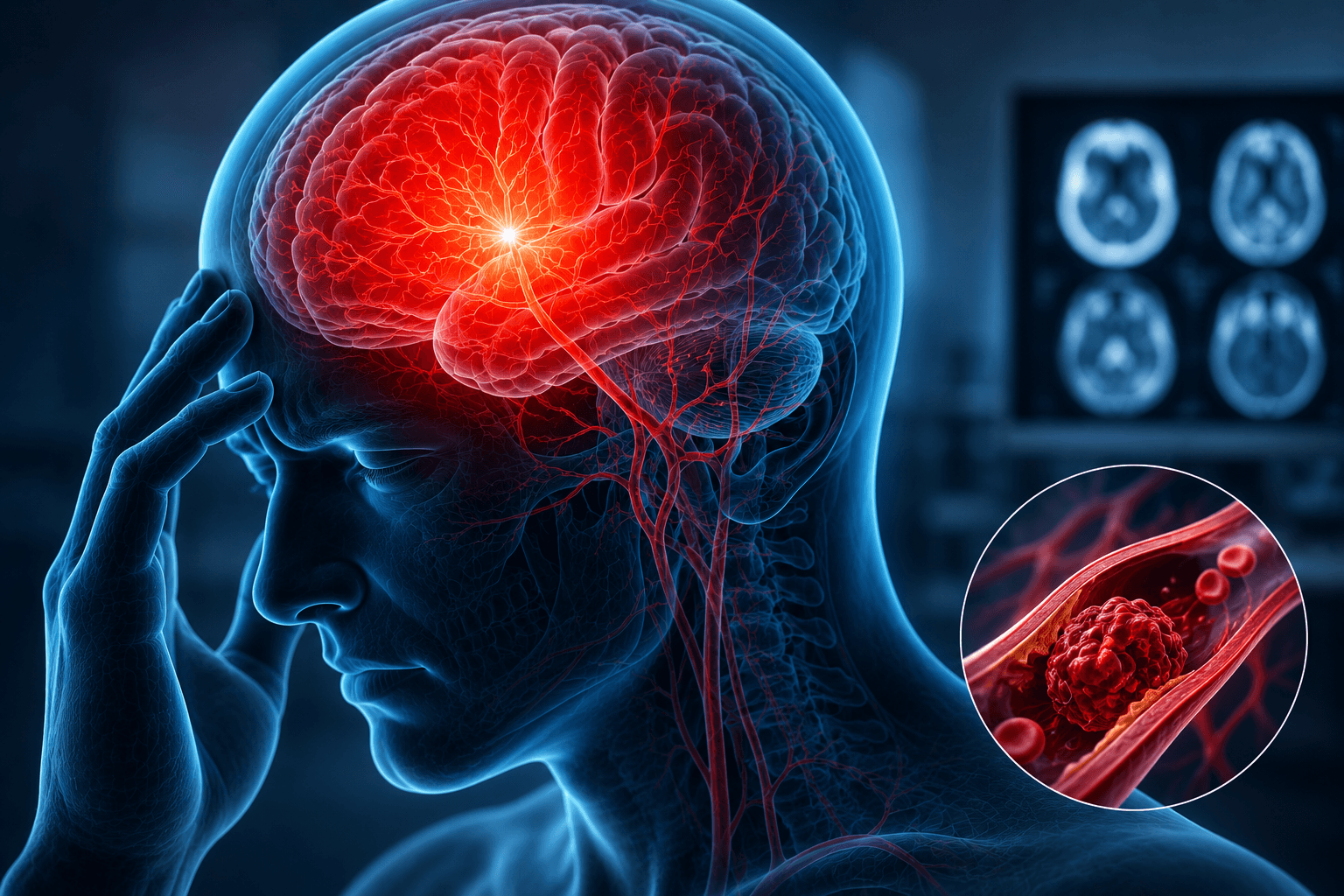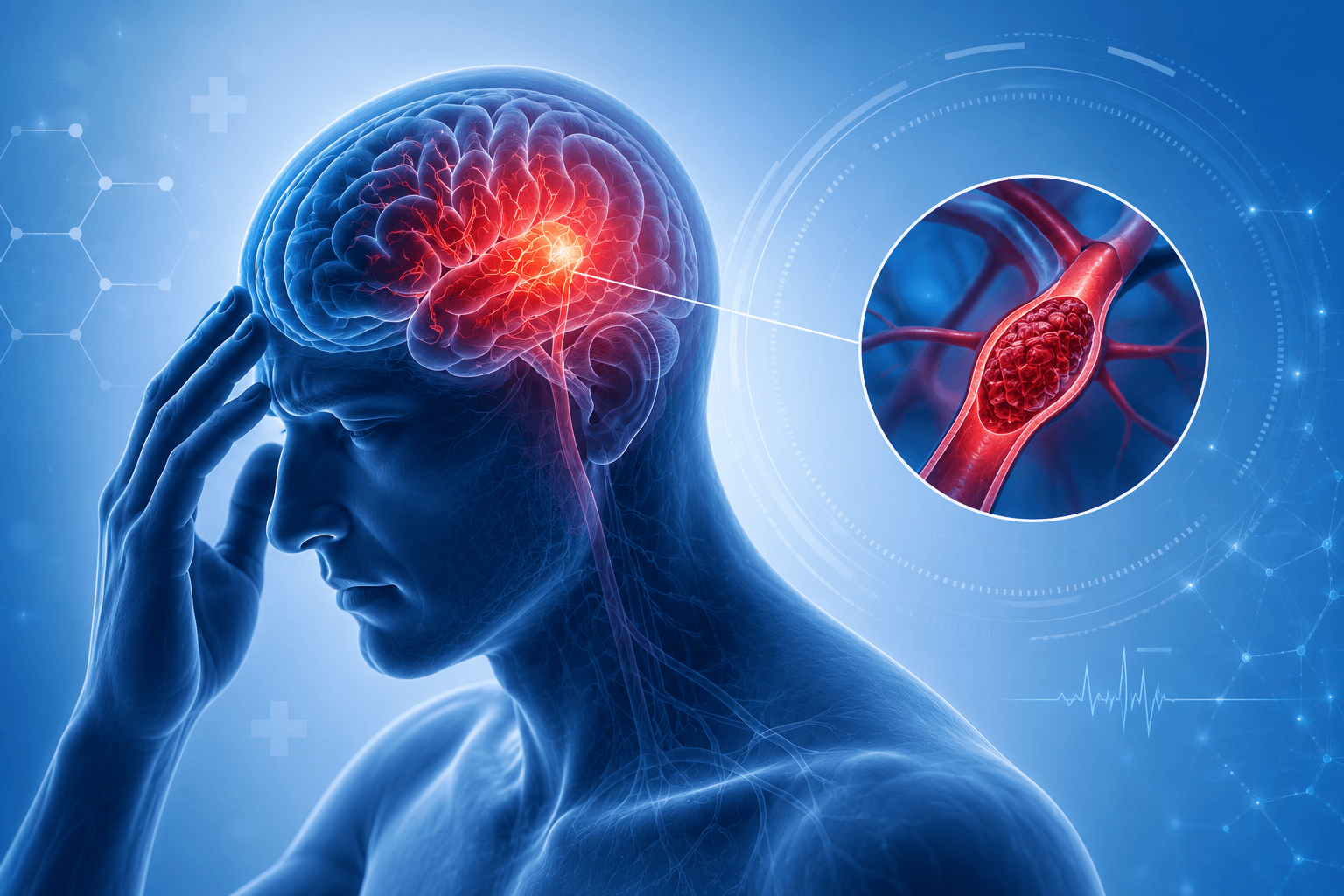
Many strokes relate to long-term vascular risks. Prevention plans are personal and cannot guarantee that a stroke will never occur.
Common risk-factor themes
High blood pressure
Diabetes
Smoking or tobacco use
High cholesterol
Heart rhythm problems identified by clinicians
Previous stroke or TIA
Physical inactivity and unhealthy diet patterns
What helps many prevention plans
Blood-pressure care, diabetes management, tobacco cessation, healthier eating, and activity as advised by clinicians are frequent foundations. After a stroke or TIA, your team may add a tailored secondary-prevention plan.
If my risks are controlled, am I safe?
Risk can fall, but it is not eliminated. Ongoing review still matters.
Do supplements prevent stroke?
Do not assume supplements replace medical care. Discuss any product with your clinician.
Where do I start after a TIA?
Follow urgent medical advice and scheduled specialist review. Bring all reports to appointments.
Related Conditions
Related Videos
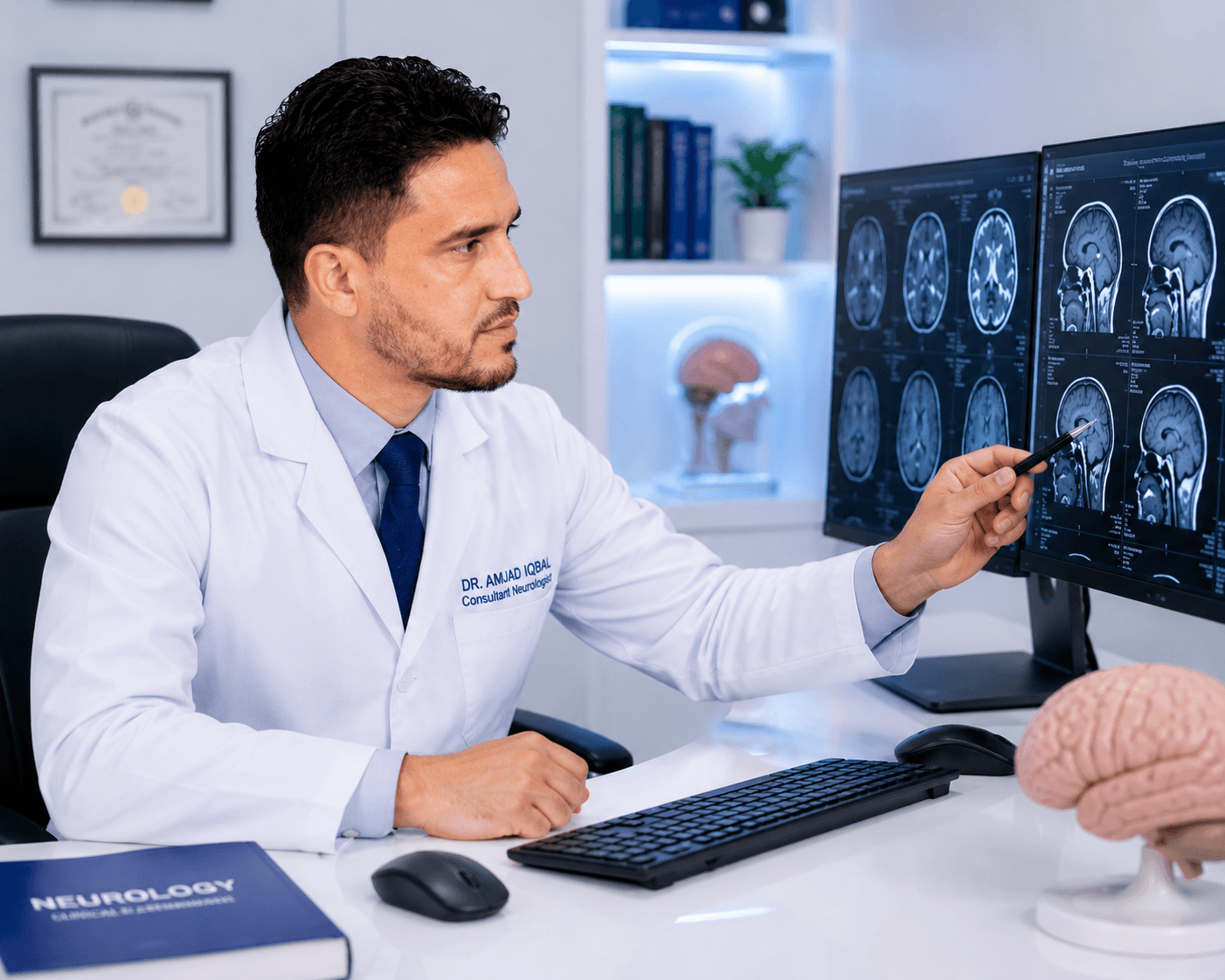
Author and medical reviewer
Dr. Amjad Iqbal
Consultant Neurologist
Dr. Amjad Iqbal provides evidence-based assessment and treatment for conditions affecting the brain, spinal cord, nerves, and muscles, with a focus on clear guidance and compassionate follow-up.
Qualifications
MBBS • FCPS Medicine • FCPS Neurology • MRCP (UK)
Areas of expertise: Headache and migraine, Stroke, Epilepsy, Memory disorders, Movement disorders, Neuromuscular conditions.