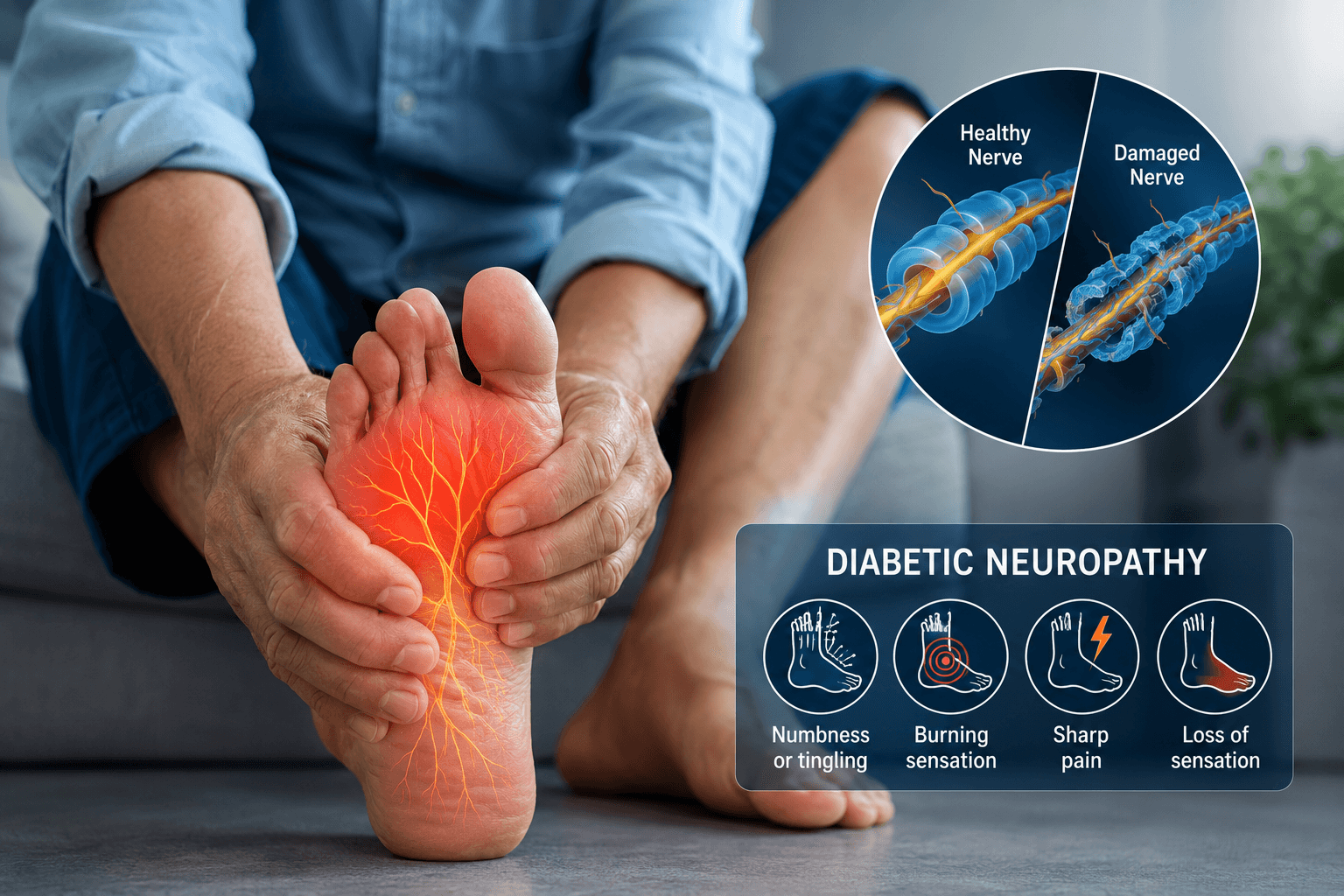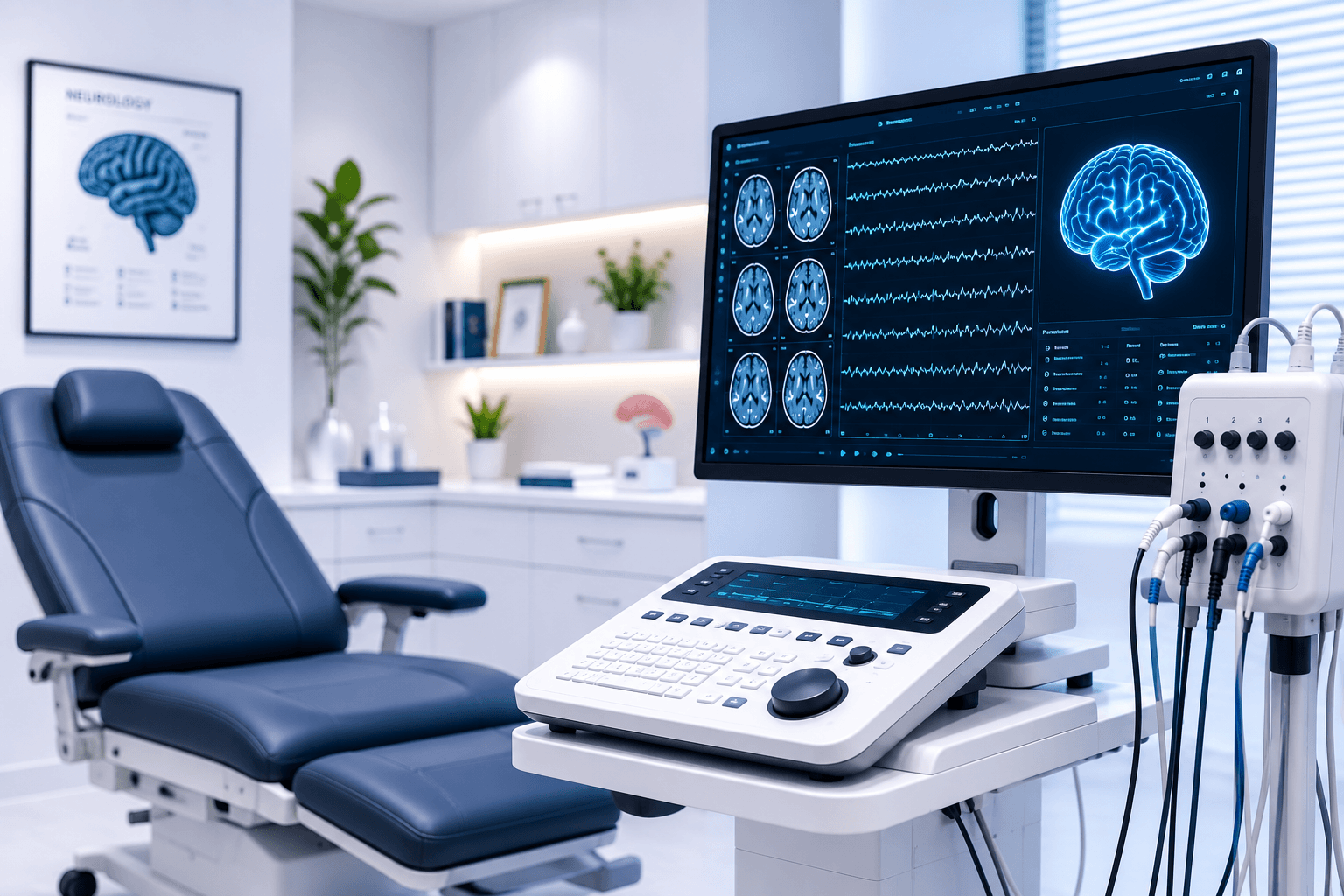
Nerve conduction studies (NCS) and electromyography (EMG) evaluate peripheral nerves and muscles. They answer different technical questions and are often performed together.
Nerve conduction studies (NCS)
NCS uses brief electrical pulses and surface recordings to measure how well nerves transmit signals. People may feel tapping or tingling sensations.
Electromyography (EMG)
EMG usually uses a fine needle electrode in selected muscles to record electrical activity at rest and during gentle contraction. Brief discomfort is common.
Which test comes first?
Often NCS first, then EMG, but protocols vary by clinical need.
Can I drive afterward?
Most people resume usual activities; ask the clinic if you feel sore or unsettled.
Where are fuller test pages?
See the clinic EMG and NCS diagnostic test education pages for procedure and preparation themes.
Related Conditions
Related Diagnostic Tests
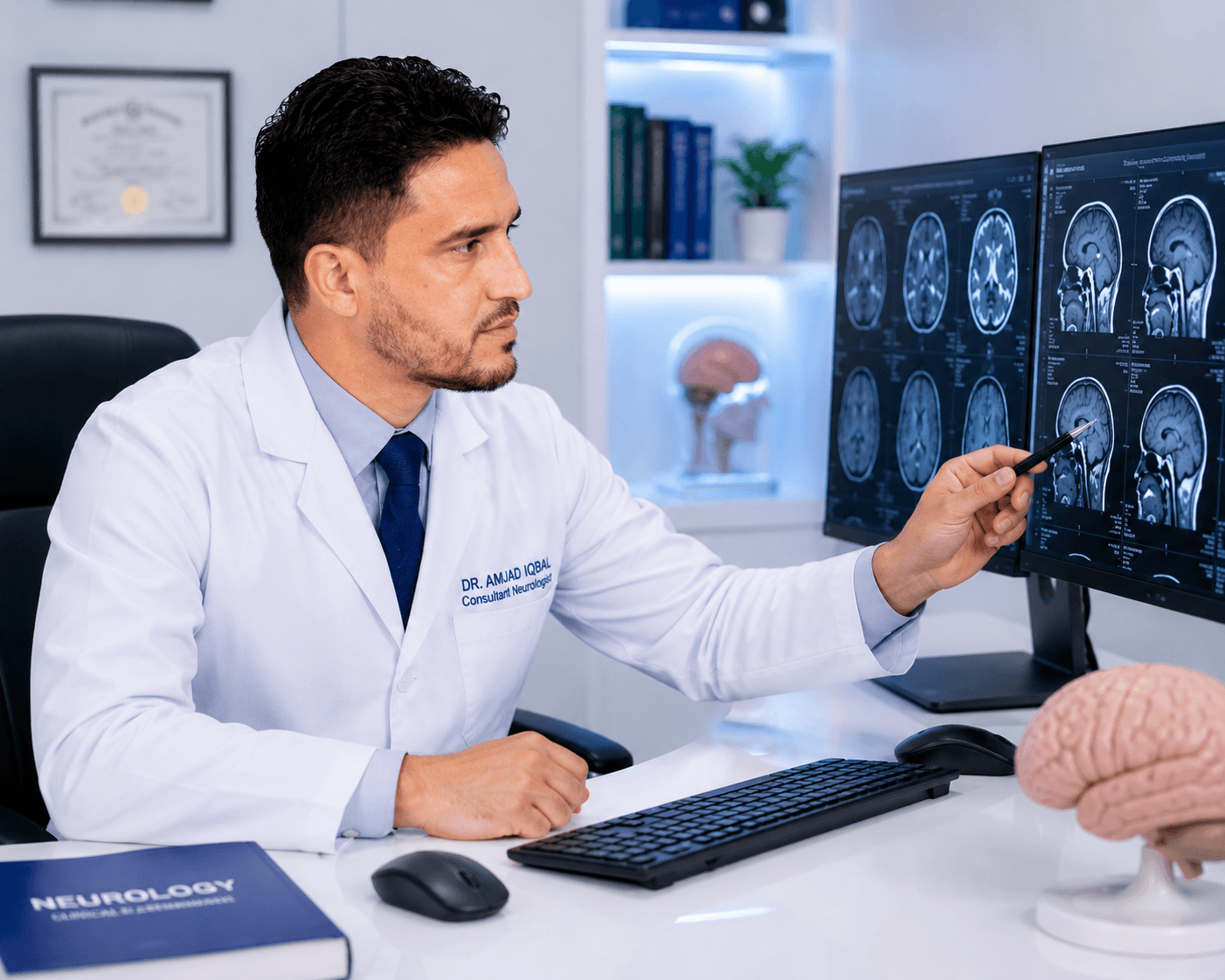
Author and medical reviewer
Dr. Amjad Iqbal
Consultant Neurologist
Dr. Amjad Iqbal provides evidence-based assessment and treatment for conditions affecting the brain, spinal cord, nerves, and muscles, with a focus on clear guidance and compassionate follow-up.
Qualifications
MBBS • FCPS Medicine • FCPS Neurology • MRCP (UK)
Areas of expertise: Headache and migraine, Stroke, Epilepsy, Memory disorders, Movement disorders, Neuromuscular conditions.